

Mid-West businesses demonstrate climate action is delivering results as Ireland struggles to meet emissions targets
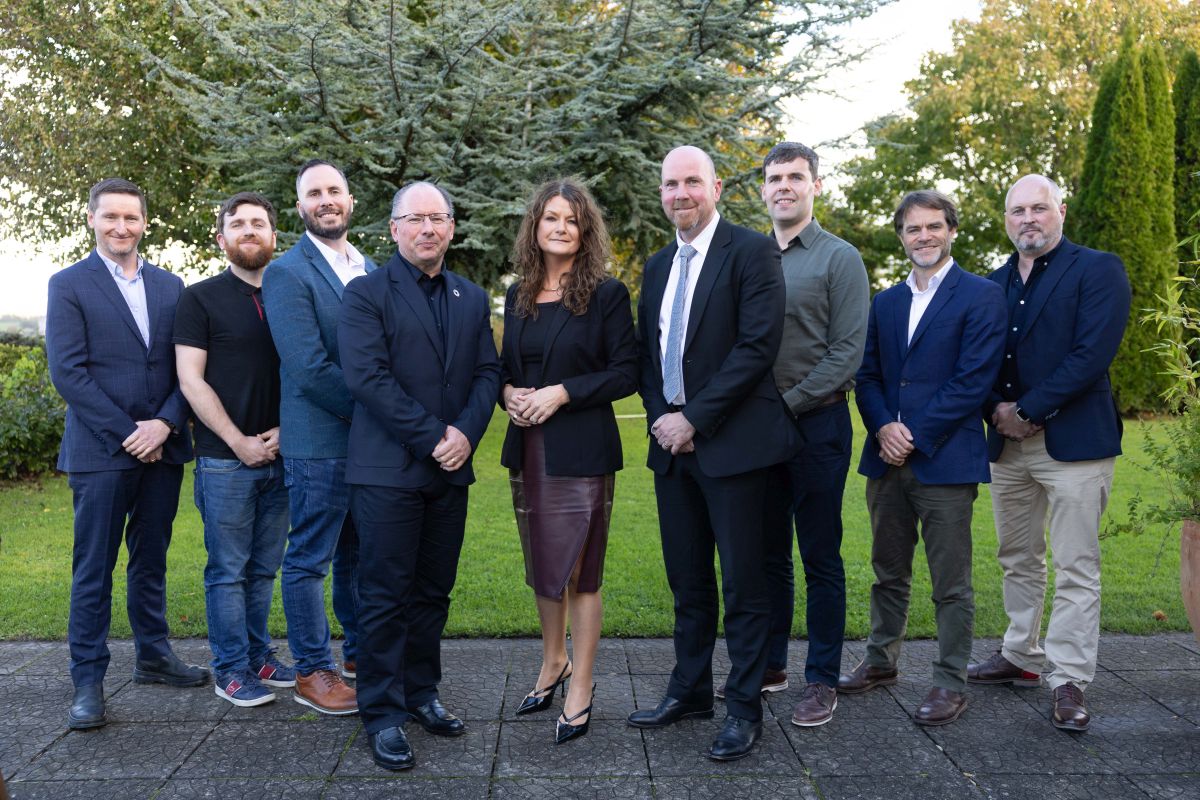
Helen Downes, CEO, Shannon Airport pictured at the Mid-West Sustainability Network conference with (front centre): Barry Gavin, network chair and Dr. Matt Kennedy, IDA Ireland and conference speakers (from left): David McKenna, John Paul Construction; David Courtney, Enfonic; Sean McCaffrey, Iarnród Éireann/Irish Rail; Aidan Kelly, Edwards Lifesciences; Mark Bennett, Goodbody Clearstream and Ken O’Shea, Climeaction, network sponsor. Photograph by Eamon Ward
At a time when Ireland’s ability to meet its national climate commitments is coming under increasing scrutiny, Shannon Chamber’s 2026 Mid-West Sustainability Network conference, held last week in the Rine Hotel, Newmarket on Fergus, Co. Clare has highlighted how businesses are reducing carbon emissions, strengthening competitiveness and investing in a more sustainable future.
Companies presenting at the conference, which was themed: Future Ready – Driving Competitiveness in a Changing Climate, included Goodbody Clearstream, John Paul Construction Ltd., Edwards Lifesciences, Iarnród Éireann, Enfonic, IDA Ireland and Climeaction. Collectively they demonstrated how practical sustainability initiatives can deliver measurable environmental improvements while strengthening competitiveness, reducing costs and supporting future investment.
Companies at different stages of their sustainability journeys attended the conference to learn about the significant work already underway within businesses to embed sustainability into everyday operations.
Opening the conference, Barry Gavin, chair of the Mid-West Sustainability Network, emphasised that sustainability has moved beyond regulatory compliance and reporting to become a fundamental consideration in business strategy.
“With customers, investors, financial institutions and supply-chain partners increasingly assessing companies’ environmental performance, businesses that act early are better positioned to manage risk, control costs, and protect their competitiveness,” he said.
That message was reinforced through a series of practical case studies demonstrating how companies, both large and small, are translating sustainability ambitions into action.
At Edwards Lifesciences, which operates manufacturing facilities in Shannon and Limerick, sustainability initiatives include the use of 100% renewable electricity at both Irish sites, zero waste to landfill and investment in projects designed to reduce energy consumption and carbon emissions.
The company’s senior engineer for environmental health, safety and sustainability, Aidan Kelly, outlined how the company is making a significant investment in a heat-pump project at its Limerick facility. The project is expected to reduce natural gas consumption by up to 80% and deliver annual savings of approximately €250,000.
The company’s goal, he said, is to achieve carbon neutrality by the year 2030 and 1.5°C science-based targets. This includes a commitment to set and achieve science-based targets initiative (SBTi)-recognised reduction targets for both its Scope 1/2 and Scope 3 greenhouse gas emissions. These ambitious targets are set against a background where Edwards Lifesciences was the first manufacturing location in Ireland to achieve LEED Gold certification.
He also described how the company’s drive to source packaging locally is reducing transport-related emissions, delivering environmental benefits alongside improved supply-chain resilience and substantial cost savings.
The commercial importance of carbon reduction and transition planning was another key conference theme.
Mark Bennett, head of climate advisory at Goodbody Clearstream, outlined the importance of businesses understanding their carbon footprint, identifying their principal emissions sources and developing realistic, costed transition plans. He emphasised that successful decarbonisation must be commercially grounded, with companies concentrating on the measures capable of delivering the greatest emissions reductions and business benefits.
David McKenna, head of sustainability, ESG and climate strategy for the built environment at John Paul Construction, demonstrated how the construction sector is responding to these challenges through emissions measurement, science-based targets and closer engagement with suppliers. With an estimated 90% of the company’s emissions arising within its wider supply chain, the presentation demonstrated why collaboration with suppliers is essential to achieving meaningful carbon reductions.
“Pro-active collaboration will enable us to achieve our SBTi-approved targets of a 60% reduction in Scope 1 and Scope 2; 55% reduction in Scope 3 by 2033 and net zero emissions across our value chain by 2050,” Mr McKenna stated.
Seán McCaffrey, supplier performance and sustainability manager at Iarnród Éireann/Irish Rail, demonstrated how sustainable procurement is influencing the environmental performance of entire supply chains. He outlined initiatives introduced by the company to support its thousands of suppliers. These initiatives include free sustainability training, carbon calculation tools and the integration of environmental and social considerations into procurement processes. He encouraged those working in the built environment sector to sign up for the Supply Chain Sustainability School (www.supplychainschool.ie), a free virtual learning platform around sustainability, set up to upskill those working within, or aspiring to work within, the sector.
His presentation highlighted that businesses seeking to retain existing customers or access new contracts will increasingly need to demonstrate how they are managing and reducing their environmental impact.
The conference also demonstrated that sustainability is not the preserve of large multinational organisations.
A presentation by David Courtney of Enfonic, a five-person acoustic consultancy, outlined how the company began its sustainability journey using freely available training resources and carbon calculation tools, particularly the Supply Chain Sustainability School. Having established its carbon footprint and then developing a sustainability strategy, Enfonic was able to demonstrate its credentials in a tender process, contributing to a successful contract win with a semi-State organisation.
The example illustrated how smaller businesses can take meaningful first steps without significant financial investment and how sustainability credentials are becoming increasingly important in securing new business.
Delivering the keynote address, Dr Matt Kennedy, Global Head of Client Transformation at IDA Ireland, reinforced the connection between sustainability, productivity, business resilience and Ireland’s attractiveness as an investment location.
He outlined how multinational investment in sustainability initiatives supported through IDA Ireland has increased from approximately €200 million to €1 billion over two and a half years. Almost three quarters of investments are from strategic companies with 71% or €710million of spend on efficiency initiatives in manufacturing facilities; €140 million on electrification technologies like heat pumps and another €120 million on energy generation technologies like wind, solar and biomass. 75% of the spend originated from US companies looking to improve efficiencies and competitiveness while European companies are also prioritising the same areas, allocating 69% of spend towards sustainability initiatives
He also highlighted significant investment in the Mid-West, where approximately €30 million of more than €142 million in client expenditure during 2025 was directed towards decarbonisation initiatives.
“This data shows a clear appetite for green support to drive uplift, productivity and competitiveness in all sectors. Multinationals set global climate and sustainability ambitions, and their Irish operations must translate those commitments into investable site-level projects. For an Irish operation, the opportunity is not simply to comply with a corporate target. It is to use the transition to build a stronger case for reinvestment, expanded functions and long-term relevance within the global organisation,” he added.
Commenting on the conference, Shannon Chamber chief executive Helen Downes said the presentations offered compelling evidence of the work being undertaken by businesses to support Ireland’s transition towards a low-carbon economy.
“Companies across the Mid-West are investing in energy efficiency, reducing their reliance on fossil fuels, rethinking supply chains, measuring their emissions and embedding sustainability into their business strategies.
“The Mid-West Sustainability Network, which we established in 2023, is helping to accelerate progress by providing a forum where businesses can share their experiences, learn from one another and access practical expertise. The value of the Network lies in connecting businesses and turning knowledge into action.”
A particularly encouraging aspect of the conference was the active participation of four Transition Year students from St. Caimin’s Community School in Shannon, who actively engaged in the discussions.
“These are the young people who will inherit the consequences of the decisions being made today and who will ultimately contribute to shaping the businesses and communities of tomorrow. Their participation brought an important additional perspective to the conference and reinforced the value of connecting education and enterprise in addressing sustainability challenges, “Ms Downes said.
The Mid-West Sustainability Network will continue to build on this momentum through its programme of knowledge-sharing events aimed at supporting Shannon Chamber members in advancing their environmental ambitions, particularly across the Network’s four priority areas of energy, water, waste and biodiversity.
ENDS
Notes
The Mid-West Sustainability Network was established in 2023 and is facilitated by Shannon Chamber. It supports businesses on their sustainability journeys by encouraging peer-to-peer learning, collaboration and the sharing of practical knowledge.
The 2026 conference was chaired by Barry Gavin, Chair of the Network, and featured contributions from Goodbody Clearstream, John Paul Construction, Edwards Lifesciences, Iarnród Éireann/Irish Rail, Enfonic, IDA Ireland and network sponsor Climeaction.
The conference was supported by Ei Electronics, Shannon Chamber Skillnet, Clean Ireland Recycling, Smithstown Light Engineering, Shannon Airport Group, Element Six and AIB.
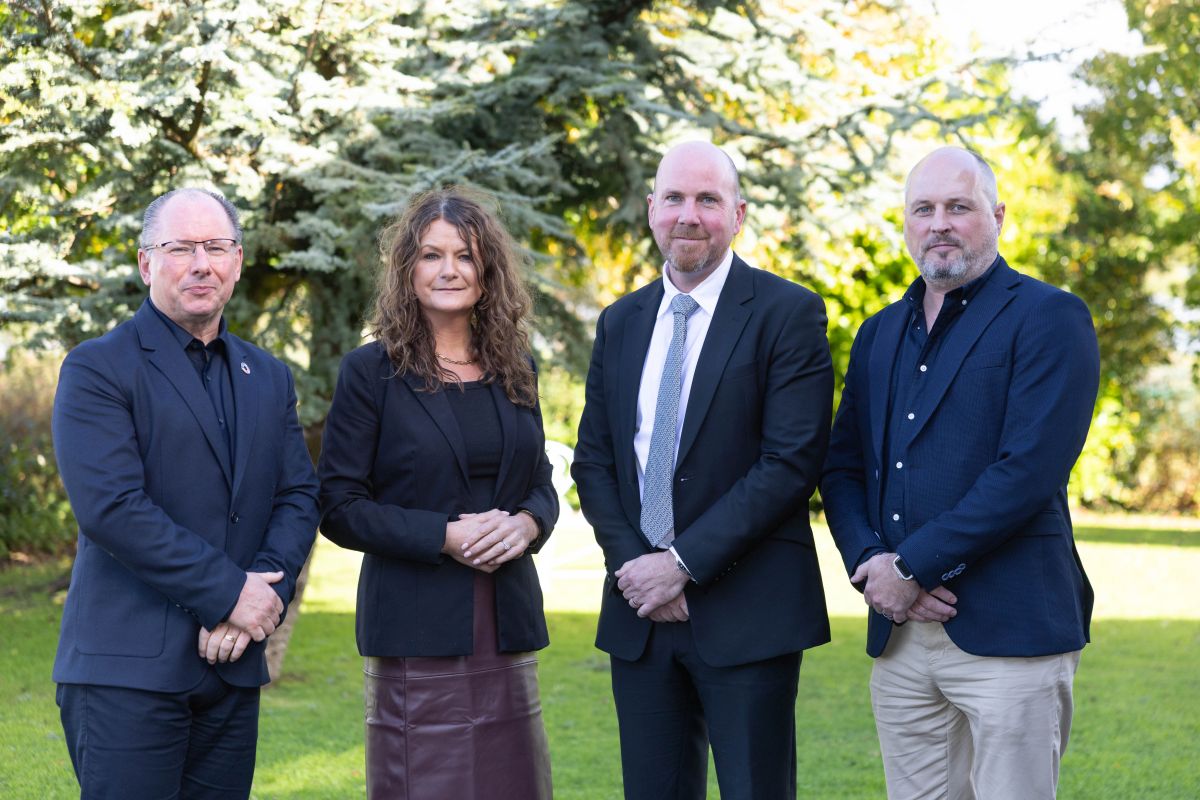
Pictured at the Mid-West Sustainability Network conference (from left): Barry Gavin, network chair; Helen Downes, CEO, Shannon Chamber; Dr. Matt Kennedy, global head of client transformation, IDA Ireland; and Ken O’Shea, director of energy efficiency, Climeaction, network sponsor. Photograph by Eamon Ward
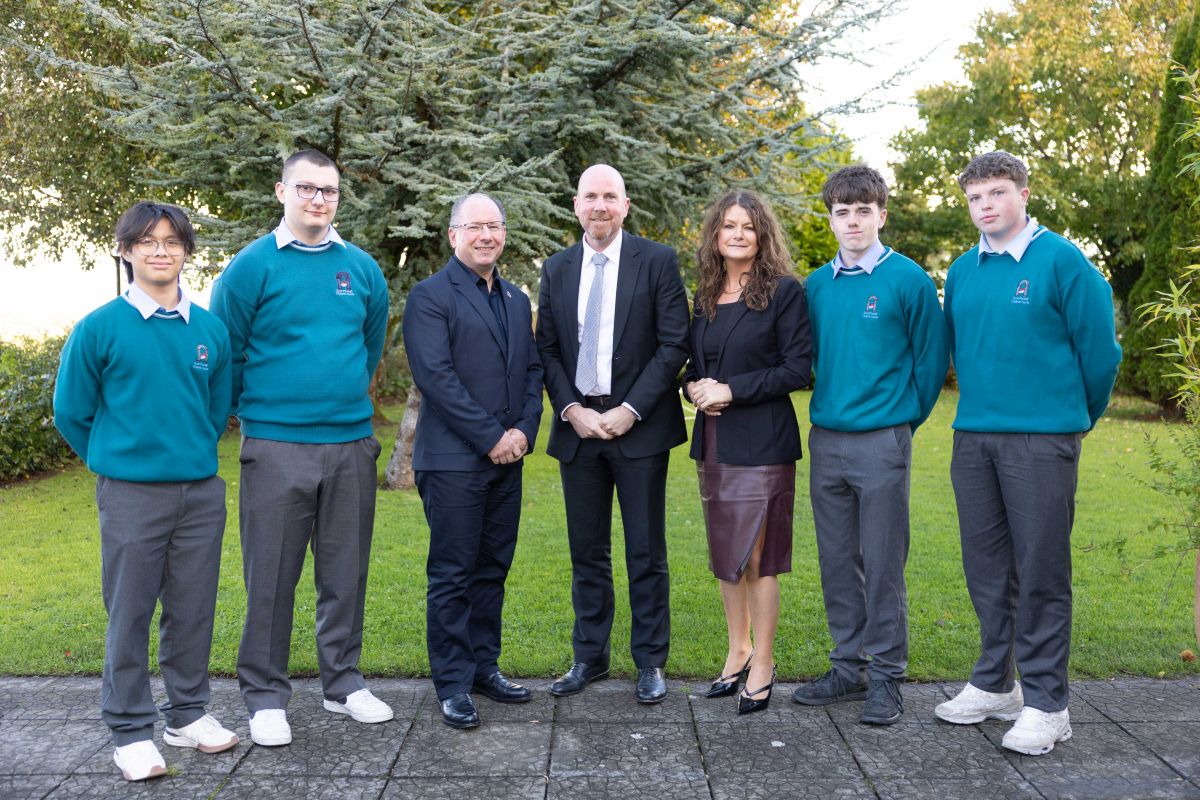
TY students Jon Matt Bonbon, Oskav Tkacz, Cian Buckley and Adam Donnellan from St Caimin’s Community School, Shannan pictured at the Mid-West Sustainability Network conference with (from left) Barry Gavin, network chair; Helen Downes, CEO, Shannon Chamber; Dr. Matt Kennedy, global head of client transformation, IDA Ireland; and Ken O’Shea, director of energy efficiency, Climeaction, network sponsor. Photograph by Eamon Ward