

Mid-West Lean Network event showcases Shannon students’ Lean problem-solving skills
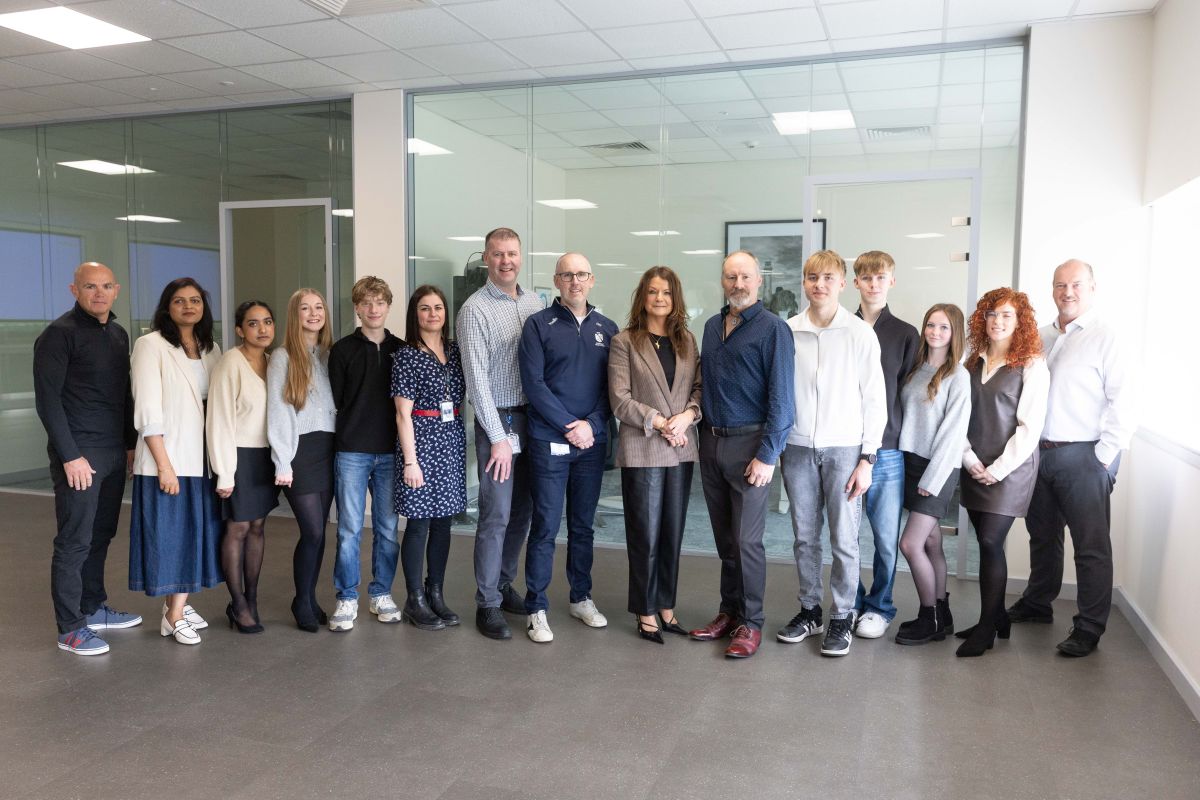
Helen Downes, CEO, Shannon Chamber, David Keane, VP operations EMEA, APAC, Zimmer Biomet and James Martin, chair, Atlantic Aviation Group and chair Mid-West Lean Network (centre) pictured at the event with (from left): Thomas Cronin, Cook Medical; Kavita Singh, Berka Solutions; students Guntas Kaur, Katie Ryan Duff and Daragh Downes; Zimmer Biomet’s Laura Brogan and Ronan Diviney; students Simon Bagavicius, Jack Cusack and Fay Harrington; Jennifer Stratton, Cook Medical and Bernard Mc Ausker, Berka Solutions. Photograph by Eamon Ward
Shannon Chamber’s industry-led Mid-West Lean Network recently hosted a special showcase event at Zimmer Biomet’s Shannon facility to celebrate the achievements of students from St. Patrick’s Comprehensive School who applied Lean and operational excellence principles to solve real challenges within their school.
The challenges were first identified at the Network’s 2025 annual conference, held last November at Dromoland Castle Hotel. They included addressing unauthorised student absences during school hours and increasing student use of the school canteen. Cook Medical and Berka Solutions volunteered to mentor the students and guide them in using Lean tools and methodologies to tackle the issues.
The event at Zimmer Biomet provided an opportunity for students to present the results of their projects while highlighting the value of collaboration, continuous improvement and problem-solving.
Opening the event, Ronan Diviney, manufacturing engineering manager, and Laura Brogan, continuous improvement engineer at Zimmer Biomet, spoke about the company’s culture of collaboration and innovation, while emphasising the importance of sharing industry knowledge with future generations.
“Students bring fresh perspectives, creativity and new ways of solving problems. That’s why it’s important for industry to support and collaborate with schools and communities. These students inspired everyone when they first presented at the Lean conference in Dromoland last November,” they said.
Welcoming the students to the Lean community, Mid-West Lean Network Chair James Martin of Atlantic Aviation Group thanked Cook Medical and Berka Solutions for introducing the students to Lean tools and supporting them throughout the projects.
The students then presented findings from the two improvement projects undertaken within their school.
One project focused on student attendance issues. Using data analysis and Lean problem-solving techniques, the students discovered that attendance concerns were not linked to a small number of individuals but reflected broader patterns of sporadic movement and engagement challenges across the student population.
Supported by Cook Medical, the four students working on the project identified several root causes, including limited supervision at the front office, students feeling anxious about attending class with incomplete work, inconsistencies in attendance recording methods, and the lack of automated absence notifications through VSware.
The students proposed several countermeasures, including supervision of the front office during break times, installation of a fob-entry system at the school’s main entrance to prevent unauthorised exits, automated email notifications to parents regarding unexplained absences, and the installation of a bell at the front office to allow students to alert staff when requesting permission to leave.
A second project, supported by Berka Solutions, examined low student use of the school canteen during lunch breaks. Using the Lean “5 Whys” methodology, students explored why many pupils chose to leave the school grounds to purchase food elsewhere.
The students identified several contributing factors, including limited food variety, speed of service, value for money, payment efficiency and competition from external food outlets. They also demonstrated a strong understanding of the operational and profitability challenges facing school canteen services.
Looking to the future, the students recommended sourcing more cost-effective food options, negotiating improved supplier agreements, streamlining payment processes to reduce bottlenecks, and improving the overall value-for-money perception among students.
Over the past five months, the students were introduced to Lean methodologies and operational excellence principles commonly used in manufacturing environments, including tools such as the “5 Whys”, Fishbone Diagrams, SIPOC analysis and the DMAIC improvement framework.
Thanking the students for their commitment to the projects, Shannon Chamber CEO Helen Downes praised their confidence, professionalism and willingness to address meaningful challenges within their school community.
“One of the most inspirational moments I’ve witnessed in years was watching these students stand on stage and openly share the challenges they wanted to solve within their school. I’m delighted the Lean community stepped forward to support them on that journey,” she said.
The event also recognised the contribution of teachers Eimear McMahon and Siobhan Hickey, along with the supporting organisations and industry mentors who worked closely with the students throughout the programme.
The initiative demonstrated how Lean thinking and problem-solving skills can empower young people, strengthen links between education and industry, and deliver meaningful improvements within schools and communities.
Participants also reflected on the importance of continuous improvement not only in manufacturing, but across education, communities and everyday life.
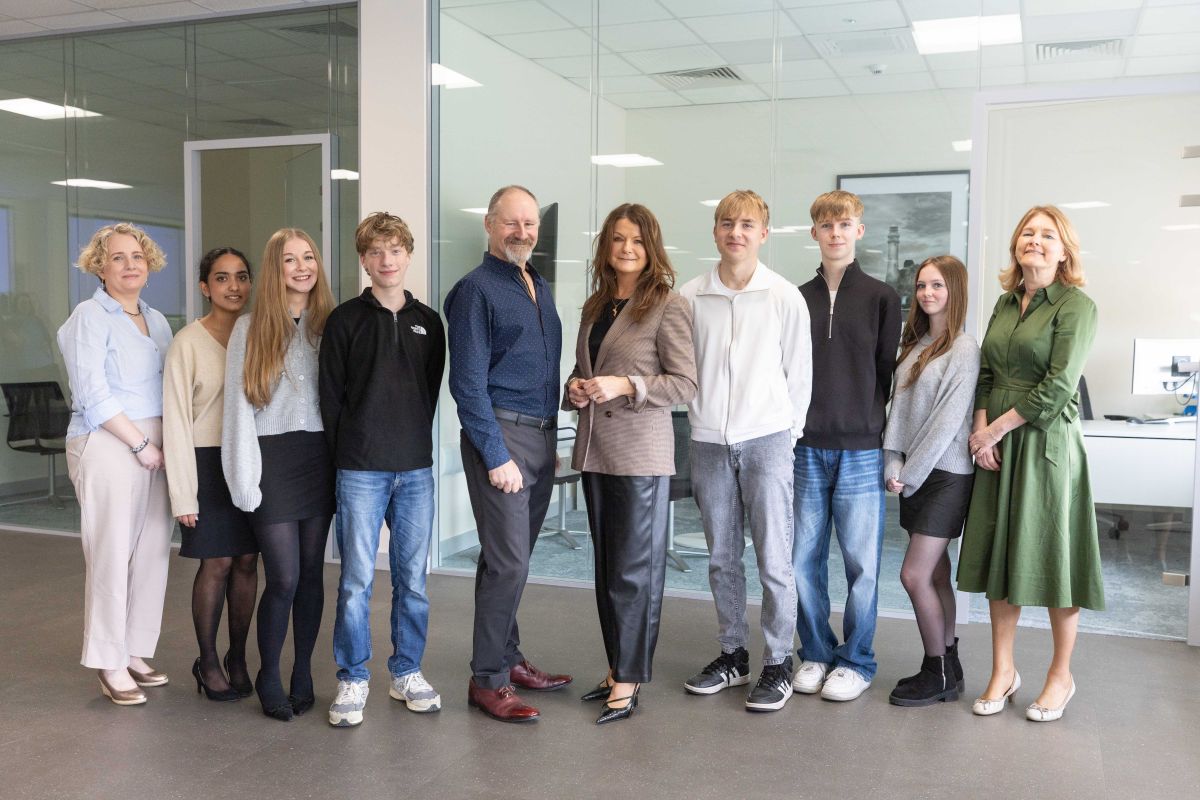
The students pictured with St. Patrick’s Comprehensive School teachers Eimear Magee (left) and Siobhán Hickey (right) and Helen Downes, CEO, Shannon Chamber. Photo by Eamon Ward.